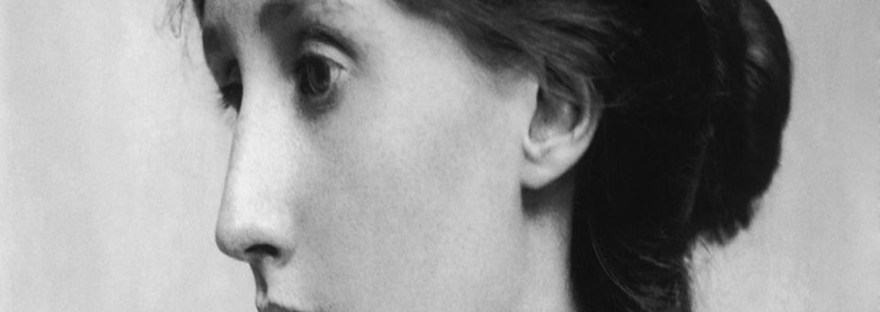
You all probably know or heard about English modernist author Virginia Woolf. She was a pioneering writer renowned for her novels, such as To the lighthouse, that utilized stream-of-consciousness techniques. She was also a central member of the Bloomsbury Group, and the founder of the Hogarth Press with her husband.
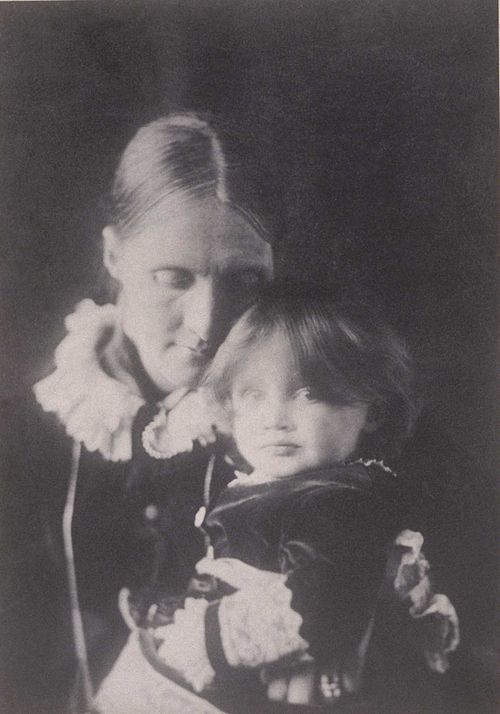
She was born Adeline Virginia Stephen on January 25, 1882, in the city of London to a privileged and intellectual family. Her father was the renowned author and editor Sir Leslie Stephen, and her mother was a pre-Raphaelite model and celebrated beauty. Unlike her brothers, Virginia did not attend school, she was educated at home where she had access to her family’s extensive library.
The Bloomsbury Group
After her father’s death, Woolf moved to the bohemian district of Bloomsbury, there she founded the Bloomsbury Group, an influential early 20th century group of British artists, writers, and intellectuals who met in London. Other important members were her sister Vanessa Bell, John Maynard Keynes, and E. M. Forster. The group championed modernism, sexual equality, and liberal values while breaking from rigid Victorian conventions.
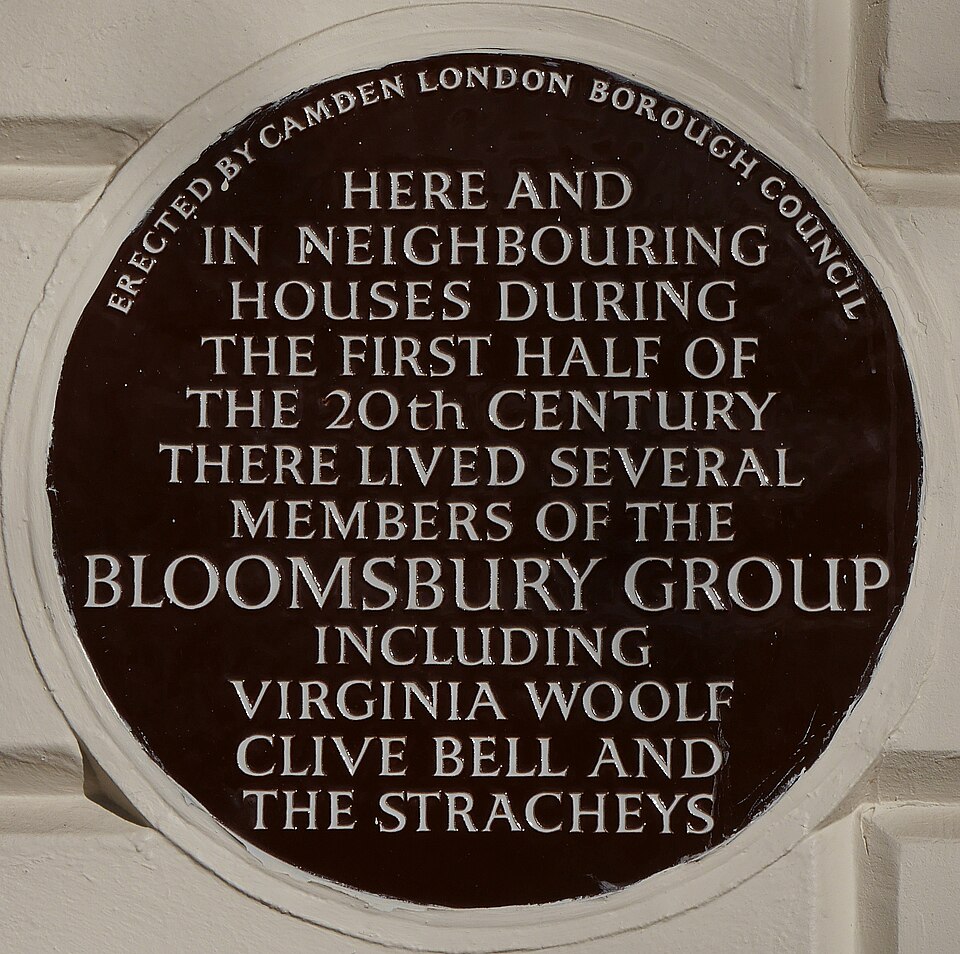
They prioritized aesthetic appreciation, intellectual debate, as well as personal relationships. Their impact can be seen in literature, art and economics. In literature, we can talk about the stream-of-consciousness, very present in Woolf novels; while in art, we can see it in the post-impressionist style.
They were famous for their unconventional, bohemian lifestyles, which included open relationships, the defiance of social conventions. Dorothy Parker summarized as “they lived in squares, painted in circles and loved in triangles”. The group existed in its original form until the early 1930s.
Writing Style
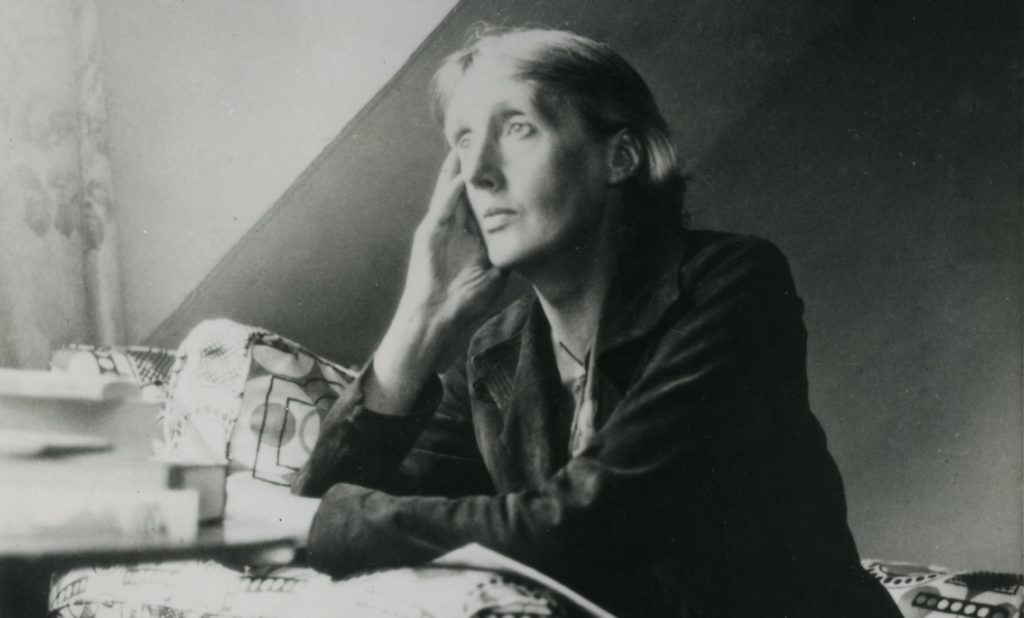
Virginia Woolf started to write in 1900, and 15 years later she published her first novel The Voyage Out. She had married the writer Leonard Woolf in 1912, and they founded together the Hogarth Press in 1917, which published her first book.
Her style evolved in a very unique way. Until today her style is considered as a hallmark of modernism, focusing on internal psychological experiences rather than external events. Which explains that she is known as a major figure of the modernist movement.
She is famous for experimenting with consciousness, time and narrative structure. One of the most important characteristics of Woolf’s narrative is the stream-of-consciousness, when she bypassed traditional narrative to directly portray fragmented characters: unfolding thoughts, memories, and emotions.
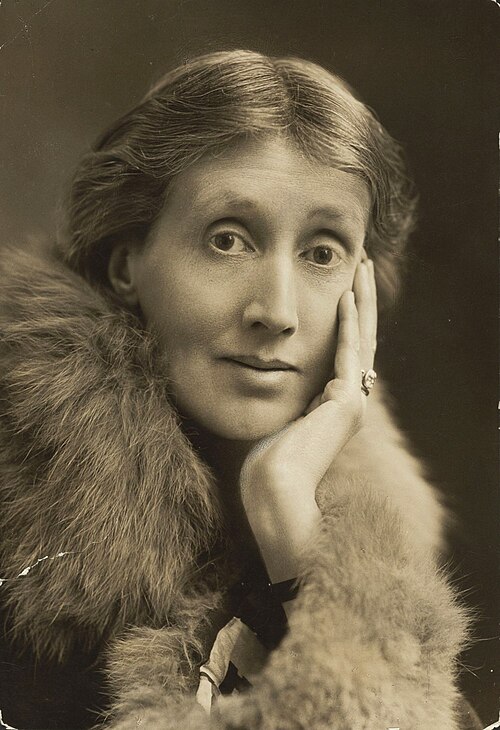
She often distorts conventional time, focusing on a single day or skipping years over years, she focused on the subjective experience of time. Her writing centers on the mind, the inner perspectives of the characters, showing to readers that reality is subjective.
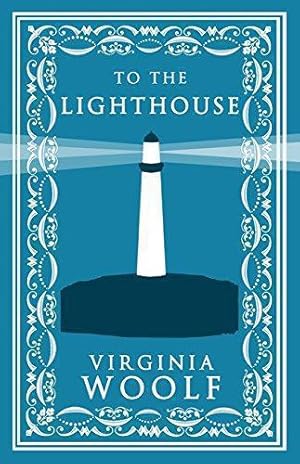
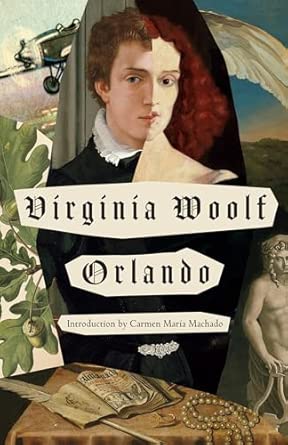
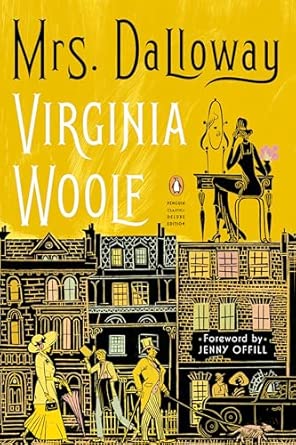
Her most important novels are Mrs. Dalloway (1925), To the Lighthouse (1927), and Orlando (1928), all of them are considered masterpieces.
Feminist
Woolf was also a key feminist intellectual, a true pioneer of feminist theory. Her work influenced deeply literary criticism, gender studies, modern feminism. She argued the importance of financial independence and personal space as essentials for women to create art and literature, symbolizing it by “a room of one’s own”. Which is the title of her most famous contribution to the Feminist Theory, published in 1929.
In it she argues that women have been historically excluded from literature (but we can apply for art and other areas of study) due a lack of money, education, and personal space. She also introduced the idea of the “androgynous mind”, suggesting that great art transcends gender perspectives.
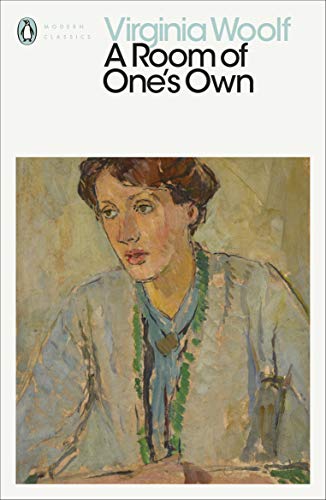
Woolf explored how language and literature were dominated by male perspectives and advocated for a female literary tradition. She also challenged the Victorian ideal of submissive, self-sacrificing woman, urging women to be independent and authentic, which is know as “killing the angel in the house”. She analyzed how male-dominated societal structures restrict women’s freedom and creative potential.
In 1938 she published Three Guineas, in which she connects patriarchy to fascism and militarism, arguing that women’s emancipation is essential to peace.
Influence and Legacy
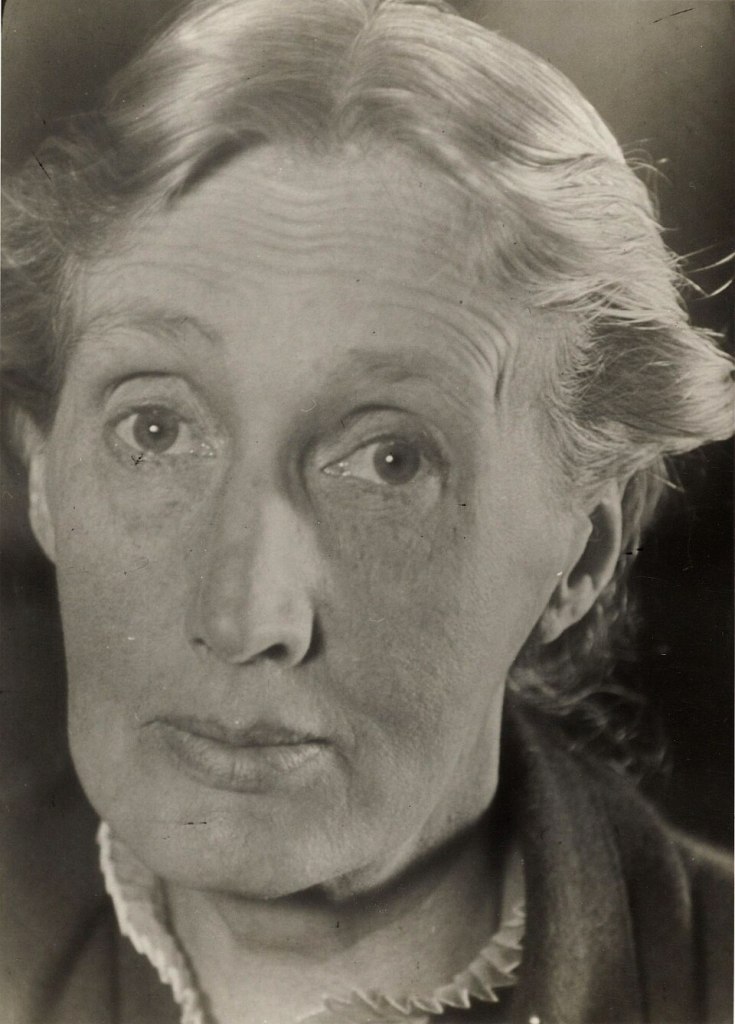
Virginia Woolf’s work has heavily influenced authors around the world with her writing style and how she explored complex themes of consciousness, identity, and gender. She remains one of the most significant 20th-century authors. Her books were translated into over 50 languages.
Despite her literary success, she battled lifelong mental illness. The deaths of her mother (1895), half-sister Stella (1897), and father (1904) triggered severe mental breakdowns and lifelong struggles with bipolar disorder. Virginia Woolf committed suicide by drowning in the River Ouse on March 28, 1941.
References:
- Briggs, Julia (2006a). Virginia Woolf: An Inner Life
- as, Marcel (23 January 2008). “Virginia Woolf’s Class Consciousness: Snubbing or uplifting the masses?”. Die Roepstem.
- Boeira, Manuela V.; Berni, Gabriela de Á.; Passos, Ives C.; Kauer-Sant’Anna, Márcia; Kapczinski, Flávio (14 June 2016). “Virginia Woolf, neuroprogression, and bipolar disorder”. Revista Brasileira de Psiquiatria. 39 (1): 69–71.
- Images: Wikimedia Commons

Discover more from Women'n Art
Subscribe to get the latest posts sent to your email.

 Women'n Art